June 12: Nigeria Celebrates Democracy Day Amid Calls for Good Governance
June 12: Nigeria Celebrates Democracy Day Amid Calls for Good Governance
Nigerians across the country today marked Democracy Day, a national holiday dedicated to celebrating the nation’s democratic journey and honoring the heroes who fought for civil rule.
June 12 holds a special place in Nigeria’s history as it commemorates the June 12, 1993, presidential election, widely regarded as the freest and fairest election ever conducted in the country.
The election, believed to have been won by the late Chief Moshood Kashimawo Olawale (M.K.O.) Abiola was annulled by the military government, triggering nationwide protests and a prolonged struggle for democracy.
President Bola Ahmed Tinubu, in his Democracy Day address, praised Nigerians for their resilience and commitment to democratic values. He reaffirmed his administration’s dedication to strengthening democratic institutions, promoting economic growth, and ensuring national unity.
Tinubu states that “Democracy remains the foundation of our national development and collective progress. We must continue to protect and strengthen it for future generations,” the President stated.
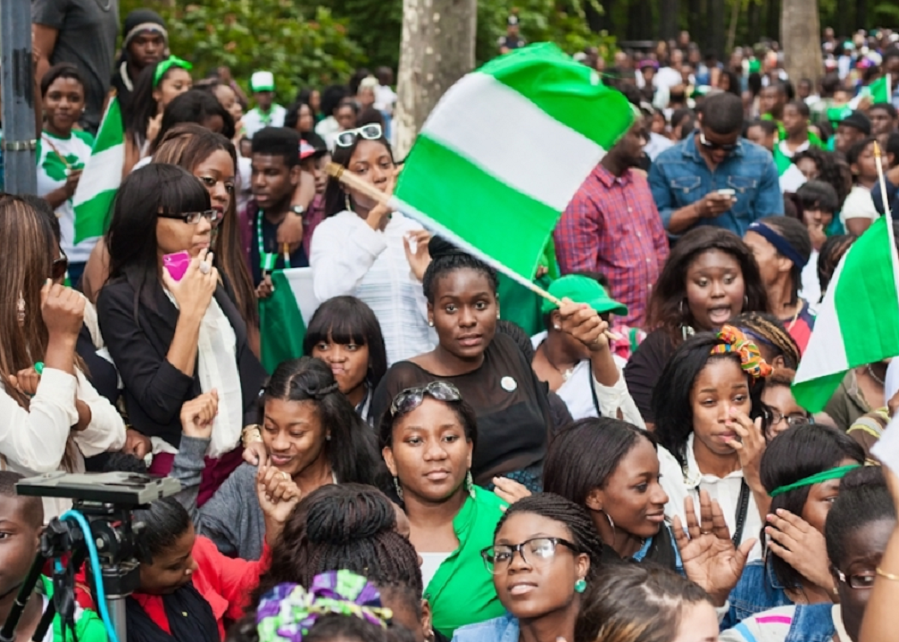
Across the nation, political leaders, civil society organizations, and pro-democracy groups organized lectures, rallies, and commemorative events to reflect on Nigeria’s democratic progress and the challenges that remain.
Many stakeholders noted that while Nigeria has sustained democratic governance since 1999, significant issues such as insecurity, corruption, unemployment, poverty, and electoral irregularities continue to threaten the full realization of democratic dividends.
Speaking at a Democracy Day symposium in Abuja, several civil society leaders urged government officials at all levels to prioritize transparency, accountability, and citizen welfare. They argued that democracy should not be limited to periodic elections but must translate into improved living standards for ordinary Nigerians.
Political analysts also emphasized the importance of strengthening democratic institutions, including the judiciary, legislature, and electoral bodies, to ensure public confidence in governance. They called for reforms that would promote credible elections, political inclusion, and equal opportunities for all citizens regardless of ethnicity, religion, or region.
Meanwhile, youth groups used the occasion to demand greater participation in governance and decision-making processes. They stressed that young people constitute a significant portion of Nigeria’s population and should be given more opportunities to contribute to national development.
In several states, citizens expressed mixed feelings about the state of the nation. While many acknowledged the importance of democratic rule over military dictatorship, others called for urgent action to address economic hardship and rising costs of living.
Observers noted that Democracy Day serves not only as a celebration of Nigeria’s democratic achievements but also as a reminder of the sacrifices made by countless activists, journalists, labor leaders, and ordinary citizens who fought for freedom, justice, and democratic governance.
As Nigeria marks another Democracy Day, many citizens hope that the ideals of June 12—justice, fairness, accountability, and popular participation—will continue to guide the country’s democratic evolution.
The occasion remains a symbol of the nation’s determination to uphold democratic principles and build a more prosperous, united, and inclusive society for all Nigerians.